Realtime AI News
Particle Launches Radar to Make 130,000 Podcasts Searchable and Usable by AI Agents
Particle has launched Radar, a podcast intelligence platform that transcribes and analyzes more than 130,000 podcasts and makes their conversations searchable on the web. The platform also exposes podcast content to AI agents through an API and MCP support, turning a vast audio archive into a queryable knowledge resource.
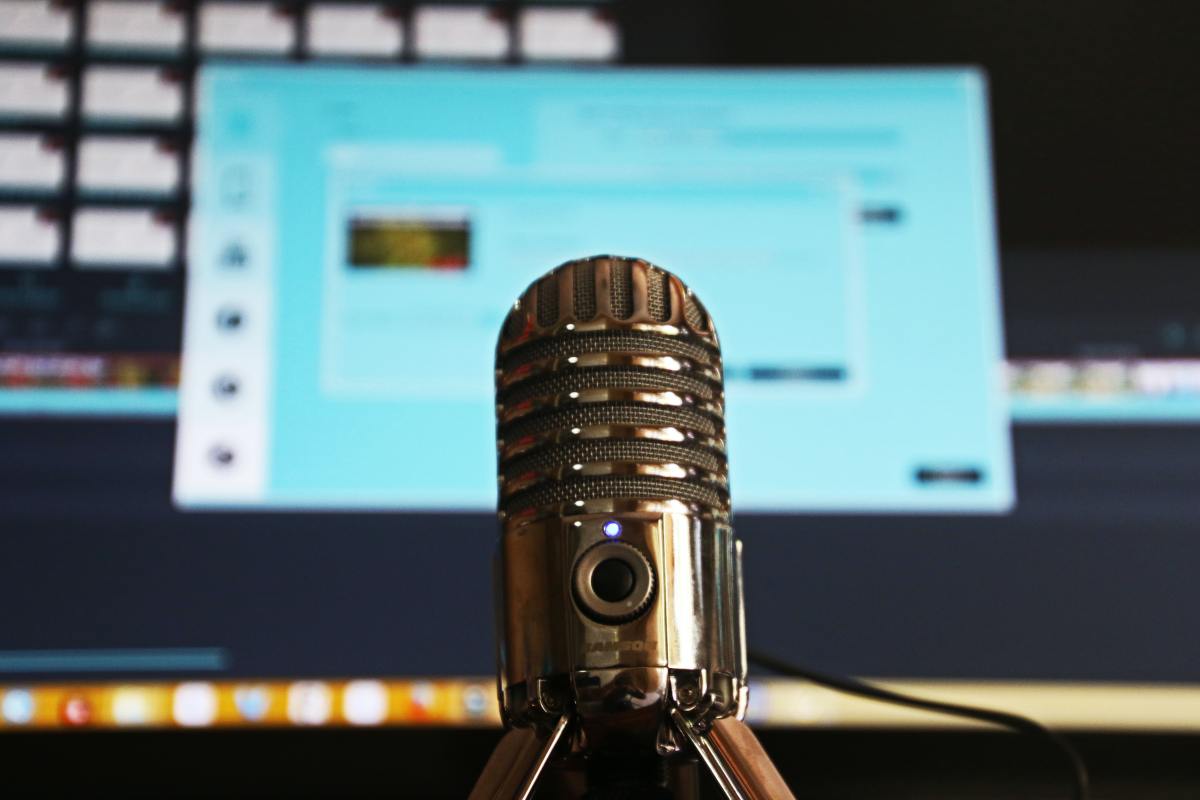
Particle has launched Radar, a new podcast intelligence platform that transcribes and analyzes more than 130,000 podcasts, TechCrunch reported. The platform makes the conversations inside those shows searchable on the web, turning a previously difficult-to-navigate audio archive into an indexed knowledge source.
Radar goes beyond simple search: podcast content is also exposed to AI agents through an API and MCP (Model Context Protocol) support, so the same conversations can be pulled into agent-driven workflows and applications.
Podcasts have long been one of the least accessible forms of content on the internet — rich in interviews, analysis, and domain expertise, but locked inside audio files that are hard to search or cite. Radar's transcription and indexing approach addresses that gap directly.
The MCP angle is the more interesting signal. By letting AI agents query podcast content programmatically, Radar effectively makes thousands of hours of spoken conversation available as a data source for automation, research, and agentic applications, rather than just a human listening experience.
The launch also points to a broader trend: audio is becoming a first-class data type in the AI stack. Platforms that can structure and expose audio at scale are likely to gain value as agents increasingly need diverse, up-to-date information sources.
What to watch next: how quickly Radar expands beyond its current catalog of 130,000 shows, which partners and agent frameworks adopt its API and MCP endpoints, and whether podcast search changes how listeners discover — and how creators distribute — their shows.
Sources
Why it matters
By turning a massive audio archive into queryable data, Radar positions podcasts as a fresh information source for AI agents and could reshape how shows are discovered and distributed.
Nearby Updates
All08/26, 23:00
Ex Meta scientists want to bring visual AI to the factory floor
Ex Meta scientists want to bring visual AI to the factory floor. Perceptron offers an AI model that it says can help machines navigate the world while also providing in depth visual intelligence.
08/27, 00:48
Zhipu unveils GLM-5.3 Flash: the mystery 'Ox Alpha' model is its first natively multimodal open-source GLM, served on domestic chips
Zhipu has confirmed that the viral mystery model 'Ox Alpha' is GLM-5.3 Flash, its first natively multimodal model in the GLM 5 series, released as open source and served entirely on domestic Chinese chips. With 320B total parameters and 18B active, it beats the larger GLM-5.2, scores 57 on the AA benchmark tied with Claude Opus 4.8, and is priced at 1/40 of Opus 4.8.
08/27, 00:54
英伟达发布全新机器人计算机:78TOPS AI算力、8GB内存,功耗大降40%|NVIDIA|Jetson|Qwen|无人机|系统 手机新浪网 finance.sina.com.cn
英伟达发布全新机器人计算机:78TOPS AI算力、8GB内存,功耗大降40%|NVIDIA|Jetson|Qwen|无人机|系统 手机新浪网 finance.sina.com.cn. 英伟达发布全新机器人计算机:78TOPS AI算力、8GB内存,功耗大降40%|NVIDIA|Jetson|Qwen|无人机|系统 手机新浪网 finance.sina.com.cn
08/26, 22:37
Bill Gates Proposes Robot Tax and 'Human Reserved' Jobs to Mitigate AI Harms
TechCrunch reports that Bill Gates has proposed a robot tax and a set of "Human Reserved" jobs to mitigate the harms AI could bring to employment and society. According to the report, Gates largely sits in the Responsible AI camp, but this time his remarks include a few ideas rarely heard before.