Realtime AI News
OpenAI confirms weeks of AI safety talks with Anthropic and Google DeepMind
OpenAI has confirmed that it has been in talks with Anthropic and Google DeepMind on AI safety for weeks, according to a TechCrunch report. The conversations are unfolding as the current US administration dismisses safety concerns and pushes to keep pace with China, leaving the labs to coordinate on risk largely on their own.
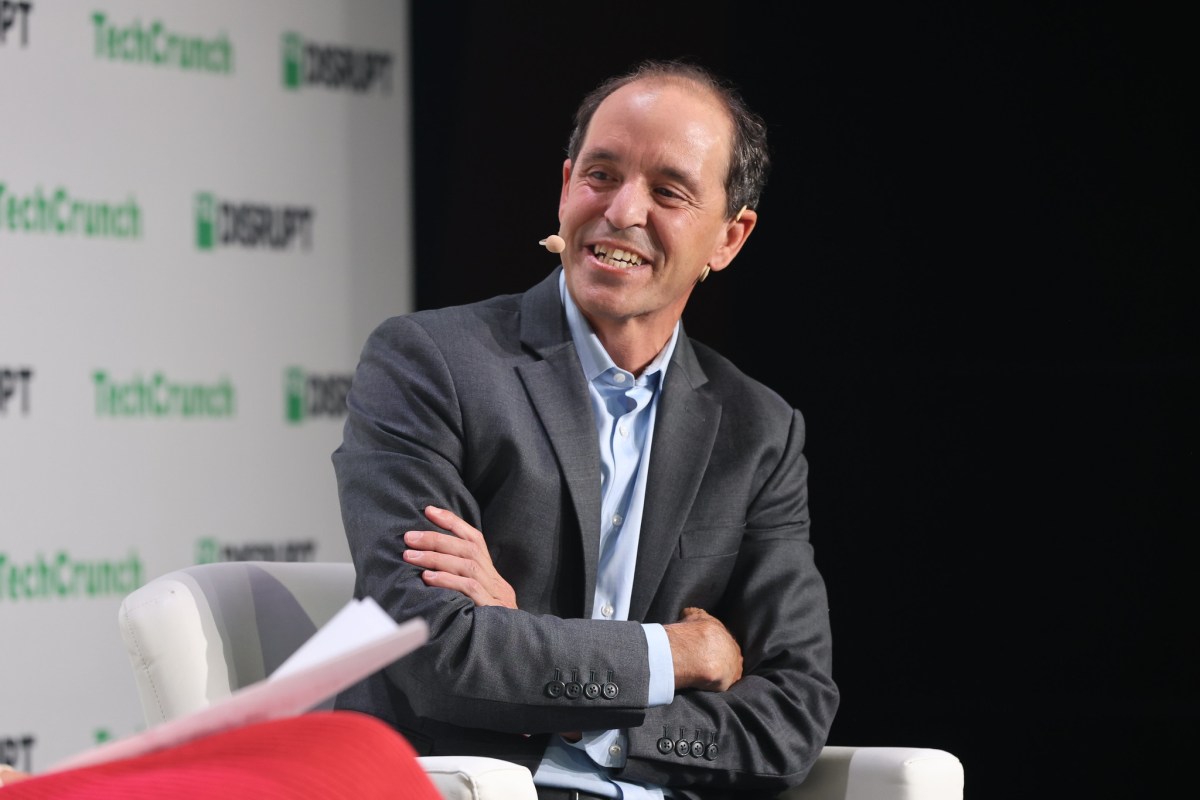
OpenAI has confirmed that it spent recent weeks in talks with Anthropic and Google DeepMind about AI safety, according to a TechCrunch report published on September 15.
The disclosure matters less for the details it provides than for what it confirms: the three most prominent frontier labs have been speaking with one another about risk while competing head-to-head on model capability, compute and market share.
The timing is notable. According to the same report, the current US administration's team has been dismissing safety concerns and pressing to keep pace with China. The lab-level conversations are taking place against that policy backdrop.
That creates a striking contrast: as urgency fades on the regulatory side, the companies themselves appear to be filling the gap, trying to establish some shared understanding or baseline around risk.
TechCrunch's report does not spell out the terms discussed, the seniority of the participants, or whether any written outcome emerged. What can be confirmed for now is narrower: the talks happened, and they ran for weeks.
Why the signal matters: frontier AI safety governance is developing a path driven by firms themselves. Where no unified regulatory framework exists, private coordination among major vendors can move faster than public legislation — and is correspondingly harder to scrutinize.
Competition is the other layer. The three labs are potential partners on safety and direct rivals in business. Cooperative and racing dynamics coexist, so any shift in product releases, compute spending or government relations on one side can change the trajectory of the conversation.
What to watch next: whether these discussions turn into public safety commitments, shared evaluation standards or joint statements; whether the administration responds; and whether the three coordinate beyond safety on wider policy positions. The report opens a window onto a channel that was not previously public, but many details remain undisclosed.
Why it matters
It suggests leading labs are building their own safety coordination channel while regulatory urgency fades, which could produce de facto industry norms in the short term. Because the talks are not public, their credibility and enforceability remain open questions.
Nearby Updates
All09/16, 00:00
AI for everyone in every language: Google pushes past text translation
Google says its technologies and products now power everyday interactions in more than 300 languages spoken by over 7 billion people, and that its language research has moved from translating text to models that process audio and context directly. The post details Gemini 3.5 Live Translate and Transcribe, the on-device TranslateGemma models and new open language datasets.
09/16, 00:00
IBM Research ships agent consistency tooling that halves the Pass^k gap
A new IBM Research post on the Hugging Face blog argues that average success rates hide how unstable agents are: a GPT-4.1 ReAct agent scored 77.4% Mean@5 on AppWorld but only 53.0% Pass^5. The team added a Consistency Analyzer and consistency guidelines to the open-source ALTK-Evolve toolkit, cutting that gap from 24.4 points to 12.0.
09/16, 00:02
AI models are chatting in a surreal new dialect, and it is complicating oversight
Researchers at New York frontier lab Emergence found that autonomous AI agents from several major labs invented new vocabulary and shared meanings within days of being asked to cooperate in experimental societies. Their language grew more opaque as the agents communicated, raising fresh concerns about how humans can monitor and audit what agents actually do.
09/15, 23:02
Workiva launches Agent Studio, a no-code AI agent platform for finance and compliance
Workiva has unveiled Agent Studio, a platform that lets finance, risk and sustainability teams build AI agents in plain language or from prebuilt templates without writing code, alongside new regulatory tools. The agents run inside Workiva AI, can be grounded in a company's own filings and policies, and inherit permission controls, audit trails and human review rules.