Realtime AI News
Meta Goes All-In on Its AI Agent Muse at Connect
Meta opened its annual Connect event in Menlo Park with a keynote from CEO Mark Zuckerberg that put the AI agent Muse at the center. The company says Muse is coming to Meta's AI glasses as well.
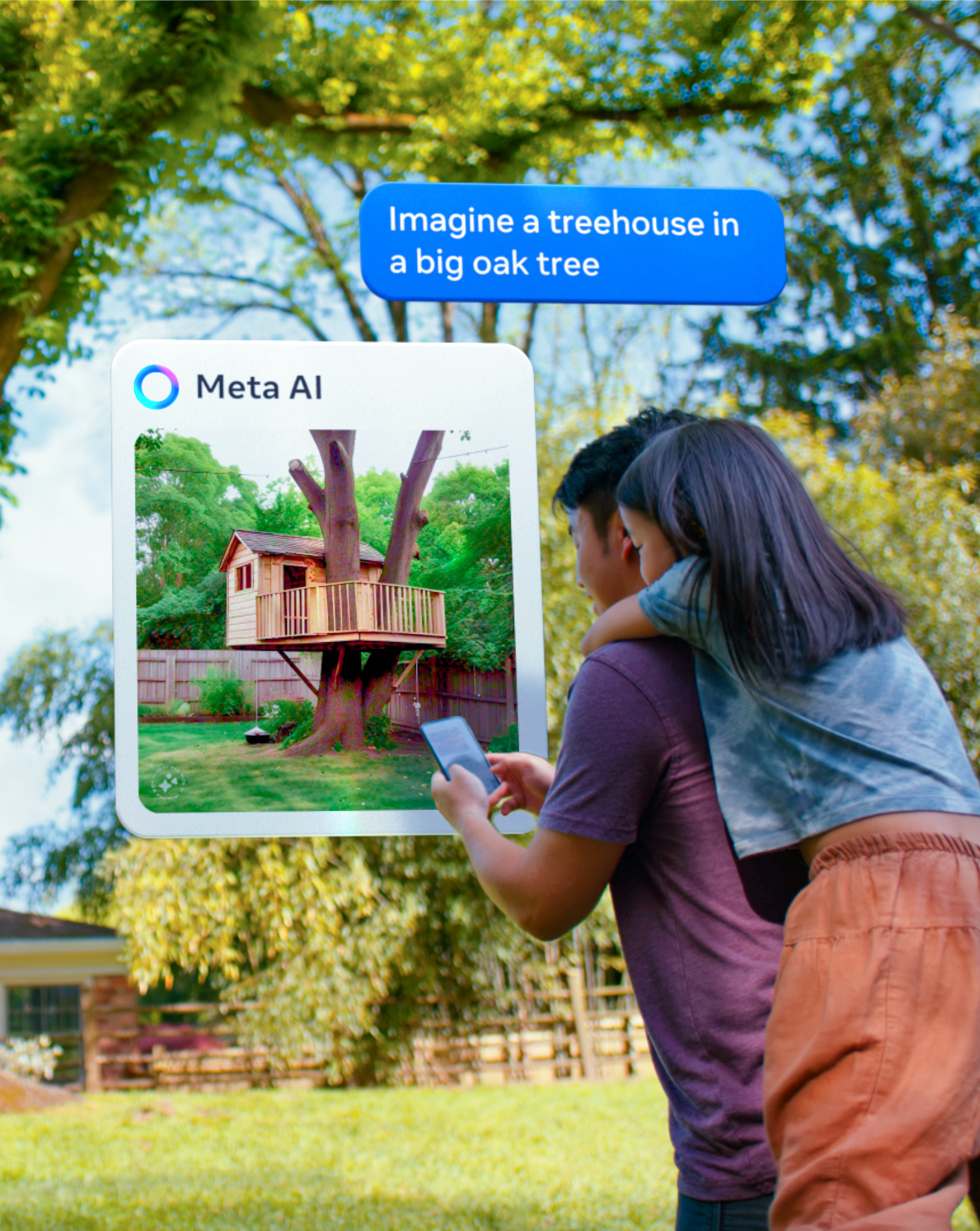
Meta kicked off its annual Connect event in Menlo Park on Wednesday, with CEO Mark Zuckerberg delivering a keynote that made one thing clear: the company is going all-in on its AI agent Muse.
According to TechCrunch, the keynote put Muse at the center of the stage. Zuckerberg walked through what is new for the agent and signalled that Meta intends to push agent capabilities into more hardware forms.
The most concrete of those directions is Meta's AI glasses. Muse arriving on that product line means the agent will not live only on phones or the web, but become an interaction layer on a wearable device.
Read together, the announcements position Muse as more than a chat assistant. It looks like an agent layer running across Meta's consumer hardware and services, consistent with the company's recent strategy of binding AI to glasses and social experiences.
Muse arriving on the glasses also explains why Meta kept repeating its all-in framing at Connect this year. A wearable needs a persistent assistant that does not interrupt the user, and an agent is exactly that kind of software capability.
So far the disclosed detail sits at the level of the keynote. TechCrunch's report does not give pricing for the new Muse features, a launch timeline, or which devices will support them, and those specifics are expected to surface as Connect continues.
For the wider industry, Meta's move pushes the combination of agents and wearables into the foreground. Once an agent is a native entry point on glasses, competition shifts from raw model capability toward usability, latency, and privacy handling in everyday wearing scenarios.
What to watch next is how broadly Muse works on the glasses, how open the interfaces will be to developers, and how Meta explains its handling of privacy-sensitive situations.
Why it matters
Putting an agent directly onto AI glasses positions Muse as a persistent entry point for everyday use, shifting competition from model capability toward usability, latency, and privacy handling.
Nearby Updates
All09/24, 08:46
Meta built a Tamagotchi-like wearable for its Muse AI agent
Meta has built a Tamagotchi-like wearable for Muse, its AI agent, according to TechCrunch, giving the assistant another mobile home beyond phones and apps. The device suggests agent makers are now competing on physical form and everyday presence, not just model capability.
09/24, 07:39
Meta Unveils Camera-Free AI Glasses
Meta has introduced a version of its AI glasses that drops the camera, saying the device is lighter and offers up to 12 hours of battery life. The move trades the product's most recognizable feature for a lighter build and longer wear time.
09/24, 06:17
Anthropic says its biology lab found a CRISPR-like enzyme system
Anthropic says its Bay Area wet lab has found a previously unknown enzyme system in bacteriophage DNA with CRISPR-like abilities to cut, copy and paste DNA. CEO Dario Amodei says it was found mostly, not entirely, by Claude, while the physical experiments were run by human scientists.
09/24, 12:11
Export-focused agent Xiaoyuan AI launches and lands on Tencent's WorkBuddy
Chinese exhibition organiser Meorient unveiled Xiaoyuan AI, an export-focused business agent, on September 23 at the Global Digital Trade Expo in Hangzhou. The product is listed on Tencent's WorkBuddy desktop platform and connects through MCP, letting users run foreign-trade tasks without leaving their workspace.