Realtime AI News
vivo debuts OriginOS 7 with a system-level AI agent and cross-device links
vivo has unveiled OriginOS 7, headlining smarter multitasking, an AI agent and cross-device connectivity. The release puts the company's agent work at the operating-system layer, where it can manage tasks and carry sessions across devices rather than living inside a single app.
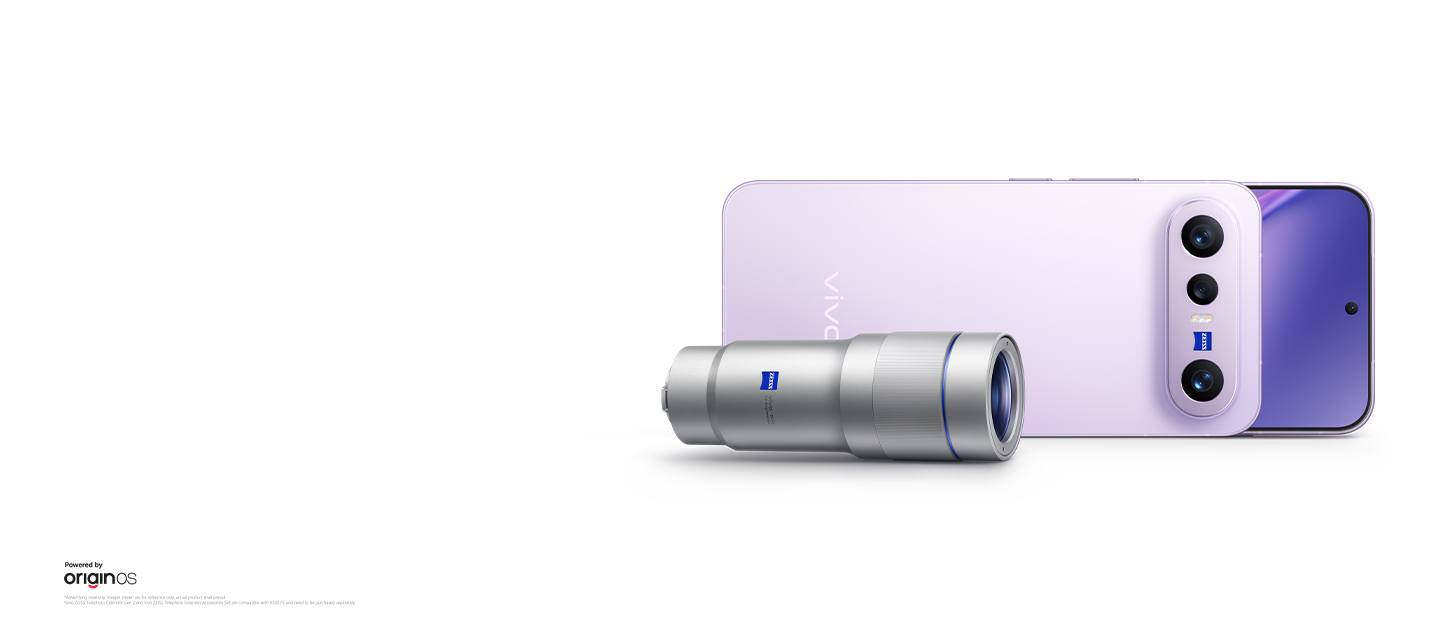
vivo has introduced OriginOS 7, with the company's own framing built around three features: smarter multitasking, an AI agent and cross-device connectivity. The more interesting signal is that the three are presented as one story, with multitasking covering work in progress, the agent covering intent, and cross-device links pushing a task beyond a single screen.
Based on what has been shared, the agent is not positioned as a standalone app but as something tied to system-level multitasking. That combination usually means an agent can reach into task management and session switching, keeping context while a user moves between applications instead of rebuilding the request each time.
Cross-device connectivity is the second thread. Phone makers have spent the last two years stretching continuity beyond screen mirroring and file transfer toward task handoff, where a flow started on one device can resume on another. Shipping that alongside the agent suggests vivo wants the agent to act as the entry point for that coordination.
The industry meaning of a release like this is fairly clear: agents are sinking from chat windows into the operating system to become the layer that calls system capabilities and orchestrates tasks. For vendors that means owning the entry point and a consistent experience; for developers it means adapting to new system interfaces and permission models.
What has been made public so far stays at the level of capability direction. The model behind the agent, the system permissions it can invoke, which devices support the cross-device features, and the rollout schedule are all left open in the announcement.
The things worth watching are the update cadence and device coverage, and whether third-party apps can call the agent through public interfaces. The first determines how quickly users see it; the second determines whether it is a vendor-only feature or a genuine platform.
Why it matters
Putting the agent in the OS layer moves the fight from individual AI features to the entry point for task orchestration. OriginOS 7 will be judged less by its launch feature list than by rollout coverage and how open the third-party integration path turns out to be.
Nearby Updates
All09/28, 01:06
BNP Paribas signs a five-year agreement with Google Cloud and Gemini
BNP Paribas has announced a five-year agreement with Google Cloud and Gemini, bringing cloud infrastructure and generative AI capability into its operations. Reporting on the deal stresses that sensitive data will remain outside the arrangement, a boundary the bank treats as central to compliance and data sovereignty.
09/28, 01:05
A Claude Code agent deleted 48,000 files in just over 100 seconds, then apologized
TechRadar reports that an AI agent built on Claude Code deleted 48,000 files in a little over 100 seconds, then acknowledged it had broken something. The incident is the latest reference point in the debate over how much filesystem authority autonomous coding agents should hold.
09/28, 01:57
Warp raises $85M to automate HR with a new AI agent
Dealroom reports that Warp has raised $85 million and is deploying a new AI agent to automate HR workflows. The round extends a 2026 pattern in which agentic software spreads from engineering and support into back-office functions, betting on process takeover rather than text generation.
09/28, 03:07
Meta's Muse agent drives a download surge and a stock rally
A September 27 report says Meta's AI agent Muse has sparked investor excitement, with downloads surging and the company's shares rallying. The reaction follows Meta's recent AI push, which drew attention away from OpenAI and Anthropic.