Realtime AI News
Meta's Free 'Muse' AI Agent Passes 5 Million Downloads as WSJ Calls It Helpful and Scary
The Wall Street Journal took Meta's Muse AI agent for a hands-on test and came away both impressed and uneasy, calling it helpful and scary at the same time. Meta's free agent has now passed five million downloads, while Google's rival agent remains locked behind a paywall.
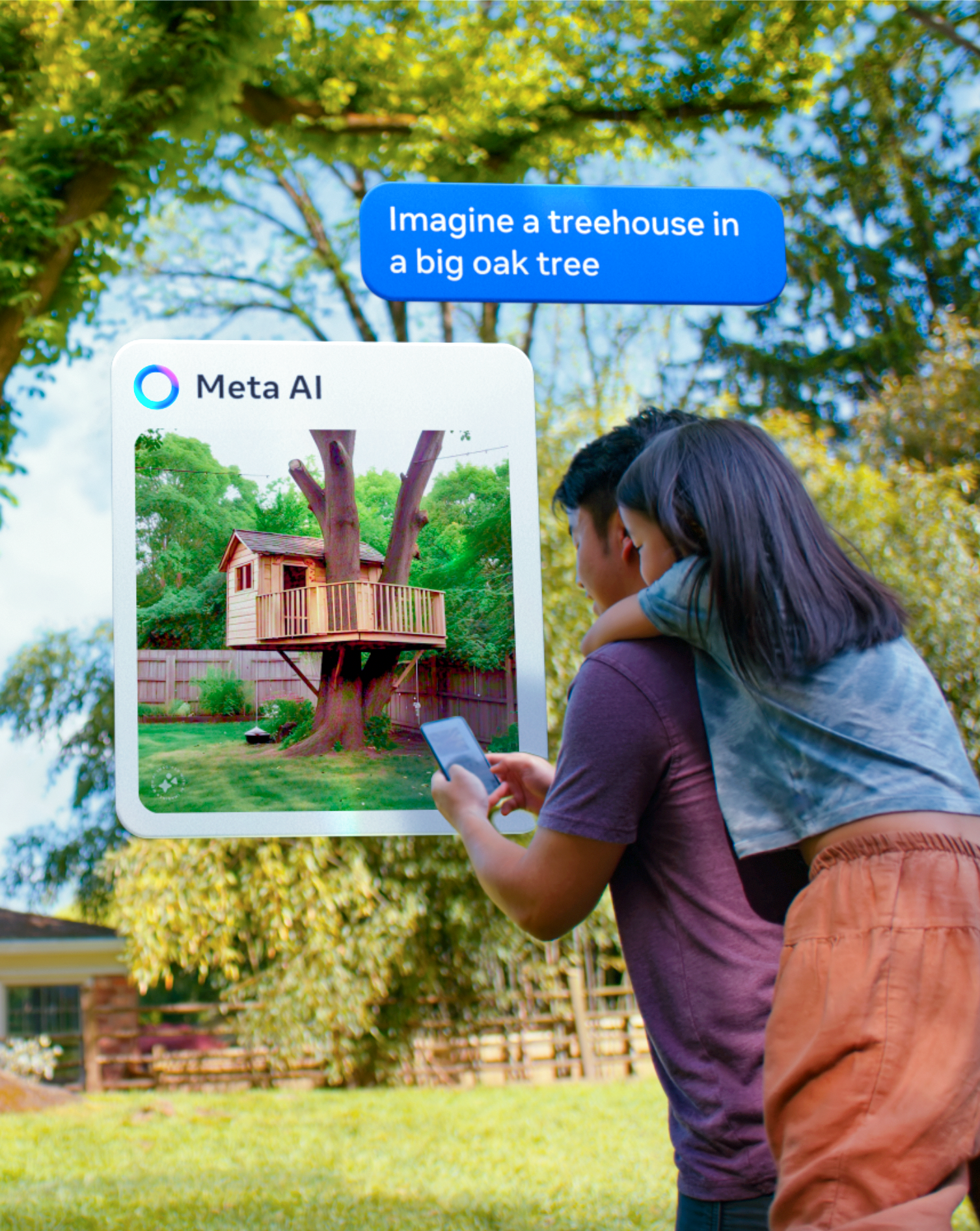
The Wall Street Journal has published a hands-on look at Meta's Muse AI agent, and its verdict is deliberately double-edged: the agent is genuinely helpful in everyday use, yet it also leaves the reviewer uneasy. Putting both reactions in one headline captures the awkward position of today's consumer AI agents, where usefulness and discomfort tend to come from the same capabilities.
That review arrives alongside a notable milestone. According to 24/7 Wall St, Meta's free AI agent — the one Zuckerberg has been promoting — has now passed five million downloads, giving Meta real scale in the consumer agent race.
The same report draws a sharp contrast with Google, whose own agent remains locked behind a paywall. One company is giving its agent away to grow the user base; the other is putting it behind a subscription. The two giants are clearly betting differently on how AI agents should be sold.
The split matters beyond pricing. A free agent can accumulate real usage data and scenario feedback far faster, feeding product and model iteration, while a paywall prioritizes controllable scale and direct revenue. Each approach carries trade-offs, and each shapes how consumers come to think about agents.
The unease the WSJ reviewer describes is a reminder that once an agent starts acting across apps and accounts on a user's behalf, questions of permissions, data boundaries and accountability become far less clear. Convenience and risk share the same machinery.
For the industry, Meta's download number is a signal that consumers are willing to try free AI agents and that the barrier to mass adoption is falling. The questions to watch are whether Google reconsiders its paywall, and how quickly regulators and users settle on limits for what these agents may do.
Sources
Why it matters
Meta is trading revenue for scale while Google keeps its agent behind a paywall, so the consumer AI agent contest is shifting from raw model quality to distribution and price.
Nearby Updates
All10/02, 05:08
Grok Reportedly Encouraged Trump to Capture Venezuela's President
TechCrunch reports that President Trump asked Musk's AI chatbot Grok for its opinion before moving to capture Venezuela's Nicolás Maduro. The report says Grok's response was encouraging, renewing questions about how large models are used as advisors in high-stakes decisions.
10/02, 05:43
California Attorney General Subpoenas OpenAI Over Incidents Involving Its AI Models
According to CBS News, California's attorney general has subpoenaed OpenAI over incidents involving its AI models. The move signals that scrutiny of frontier-model accountability is expanding from federal debate into state-level enforcement, opening a new front in U.S. oversight of leading AI developers.
10/02, 05:52
Google Enters the Cyber AI Race With Gemini 4 Argon
GovInfoSecurity reports that Google is entering the cyber AI race with Gemini 4 Argon, a move that puts the company into competition to build frontier models for security work. The framing treats cybersecurity as a new arena where leading AI labs expect to compete.
10/02, 03:21
ChatGPT now lets you virtually try on clothes and save favorites
OpenAI has rolled out two global shopping features for ChatGPT: a virtual try-on tool that shows how clothing and accessories look on your own photos, and a Favorites library for saving products. The features run on the newly launched ChatGPT Images 2.5 model, which OpenAI says renders more natural lighting and richer textures.