Realtime AI News
NASA Uses AI to Read the Moon Before Humans Return to Its Surface
NASA is using artificial intelligence to study the Moon ahead of the return of human crews to its surface, according to a report from ColombiaOne. The story describes AI helping to interpret lunar data before future missions.
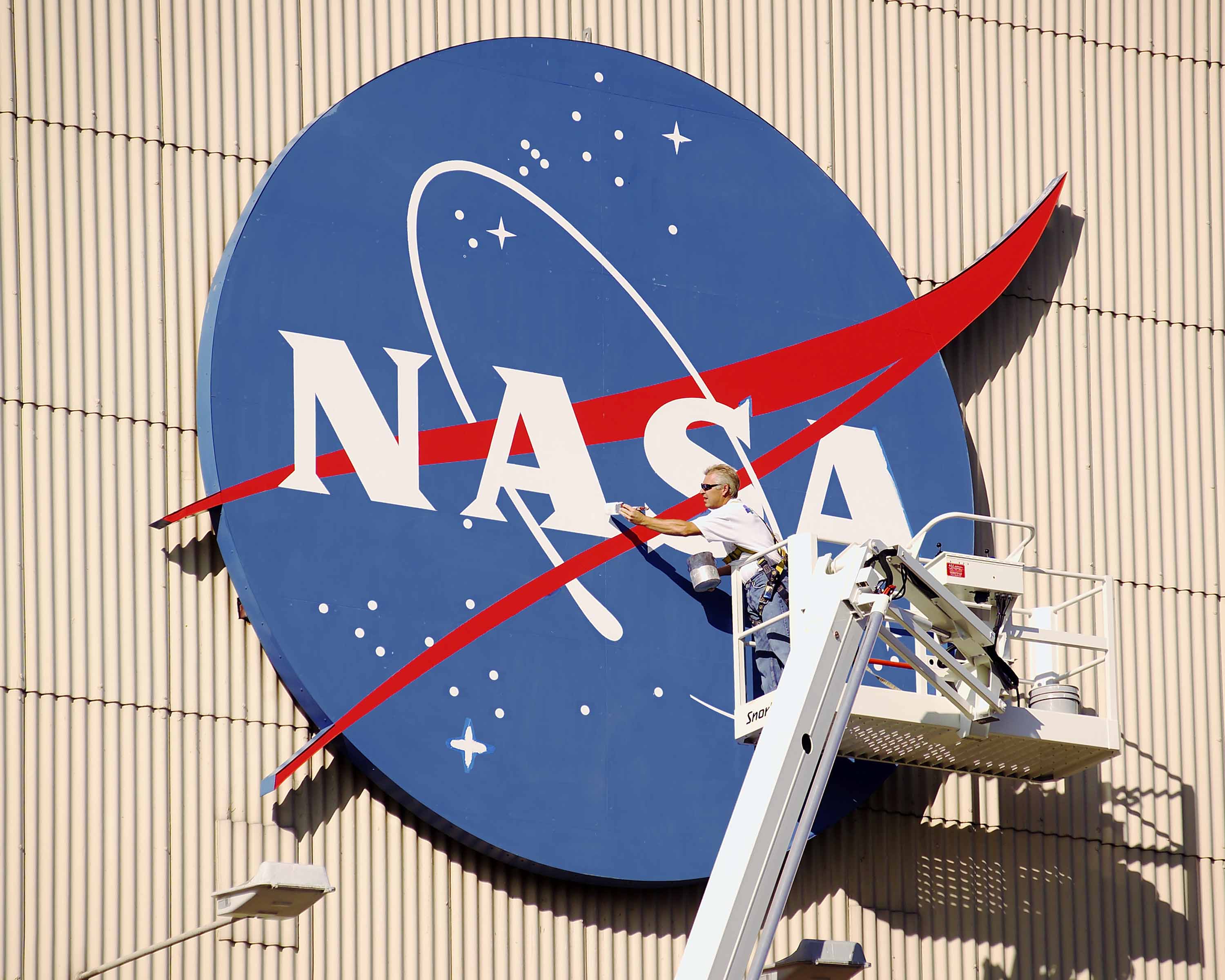
NASA is turning to artificial intelligence to study the Moon as it prepares for humans to return to its surface, according to a report from ColombiaOne. Surfaced through Google News, the story frames the effort as using AI to read the Moon ahead of coming crewed missions.
The headline emphasizes timing: the AI analysis is meant to happen before humans return to the lunar surface. That framing positions the technology as a preparatory tool for future exploration rather than an end in itself, with AI playing an interpretive role in making sense of lunar data.
Using machines to support planetary science is not new, but aiming that work squarely at the groundwork for crewed lunar missions is notable. As observation data grows, machine-assisted analysis can help locate key information faster and shorten the path from raw data to judgment.
For those watching AI move into real-world work, the NASA example points to a familiar pattern: the value often lies not in replacing people but in carrying the heavy front-end analysis so scientists and engineers can focus on judgment and decisions.
What to watch next is the concrete output of this work and how far it shapes planning for future crewed missions. For the wider AI field, it is another reference point: in frontier science, AI is moving from demonstrations toward everyday work.
Why it matters
AI is being used as front-line analysis for space exploration, a practical deployment where machine processing supports human judgment before crews return to the Moon.
Nearby Updates
All10/04, 05:36
Amazon Tied to $8B Nvidia AI Chip Sale-Leaseback Deal
Amazon is linked to a roughly $8 billion sale-leaseback deal involving Nvidia AI chips, in which it would sell the chips and lease them back for continued use. The move highlights how cloud providers are turning pricey AI compute into financeable assets as the GPU arms race strains balance sheets and capital budgets.
10/04, 06:56
Microsoft and Hugging Face Release ThinkingBox, a Benchmark That Judges Agents by Database State
Microsoft and Hugging Face have released ThinkingBox, a benchmark that grades AI agents on the database state and side effects they leave behind instead of the answers they produce. Across 507 business workflows run twenty times each, it finds that many agents finish cleanly while still writing the wrong records.
10/04, 02:50
GPT-6 Astra deciphers a 217-year-old secret letter from Napoleon to Marmont
GPT-6 Astra has helped reveal a 217-year-old secret letter written by Napoleon to Marmont, according to a report by Pasquale Pillitteri. The case is presented as a demonstration of how a next-generation model can be applied to historical document analysis.
10/04, 02:50
Google to block Gemini Flash for free users and pull Gemini Pro from AI Plus on October 9
Google plans to cut off Gemini Flash for free users and remove Gemini Pro from its AI Plus tier starting October 9, according to a report by Pasquale Pillitteri. The change redraws the boundary between free and paid model access and pushes stronger capabilities further up the subscription ladder.