Realtime AI News
NASA and IBM Open-Source a Lunar AI Model Trained on 17 Years of Moon Data
NASA and IBM have jointly open-sourced a lunar AI model trained on 17 years of Moon data. The release turns long-accumulated planetary observations into a reusable foundation model that researchers and developers can adapt for tasks like crater detection and terrain modeling.
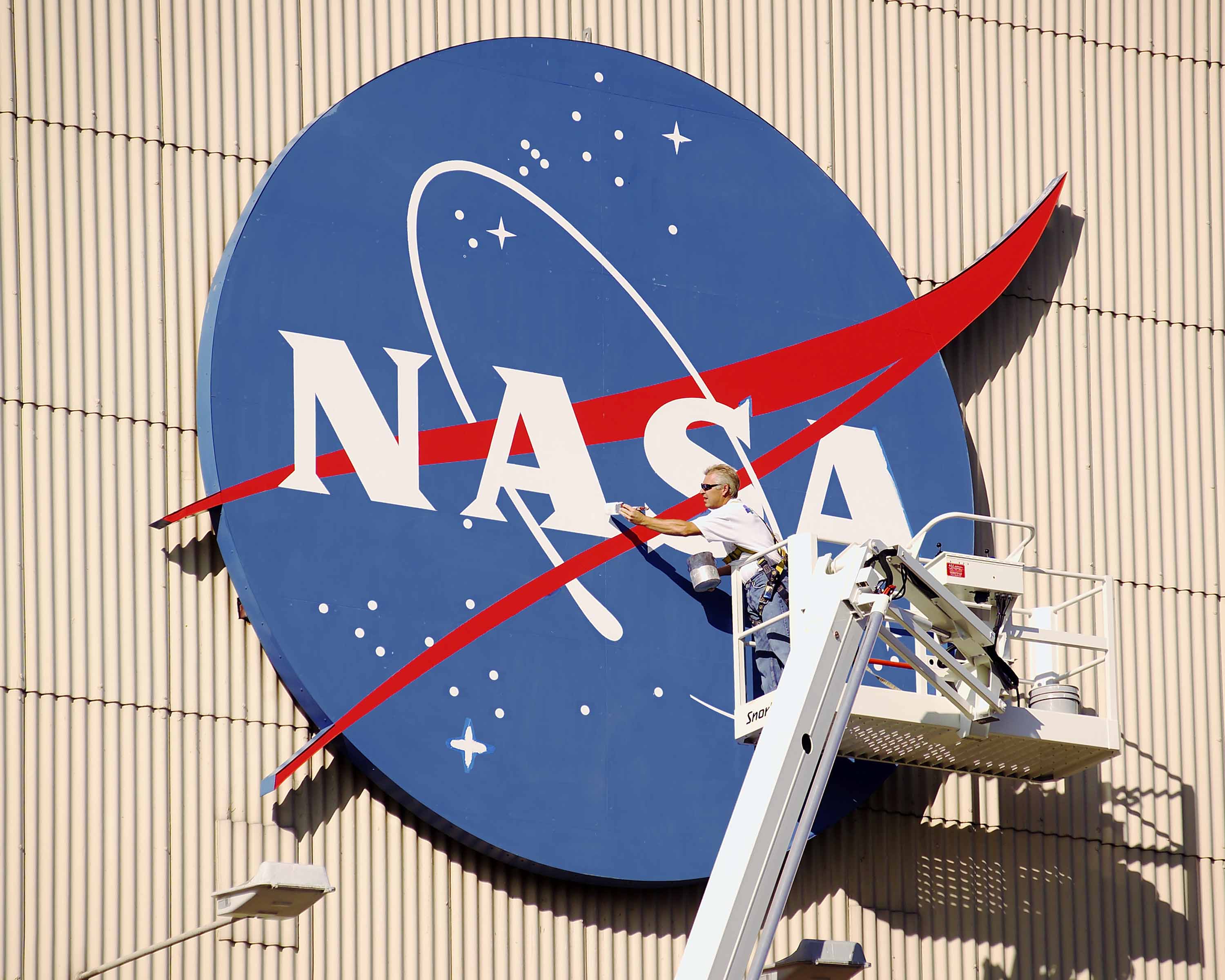
NASA and IBM have jointly open-sourced a lunar-focused AI model. According to Business Upturn, the model was trained on 17 years of Moon data, making it the latest effort by the two organizations to turn long-accumulated planetary science records into reusable AI assets.
The training data comes from more than a decade and a half of lunar observations — imagery and measurements gathered across many missions and years. That time span gives the model a far richer range of samples than any single short-term campaign could supply, covering the Moon's surface under varied lighting, seasons and viewing angles.
The key word here is open source. Rather than keeping the model as a proprietary internal tool, NASA and IBM are releasing it for research institutions, universities and developers to use, lowering the technical barrier to analyzing lunar data.
For planetary science, the real value of such a foundation model lies in reuse. In the past, individual research teams often had to build detection and processing pipelines from scratch; a model pretrained on large-scale data can instead be adapted to downstream tasks such as crater detection, terrain modeling and landing-site assessment.
The partnership also reflects a broader trend: space agencies are increasingly teaming up with commercial AI companies, combining compute, model engineering and scientific data rather than working in isolation.
Open source, however, does not guarantee maturity. The model's actual scope, accuracy and performance across different lunar regions still need to be tested repeatedly in real research, and its real impact will depend on evaluation results and community feedback.
What to watch next is whether the model breeds a wave of tools and applications built around lunar data, and whether it can become a general foundation for planetary science — an outcome that hinges on whether the community keeps contributing data and improving the methods.
Why it matters
The release could standardize how lunar data is analyzed and strengthen the model of space agencies co-developing AI with commercial partners. Its long-term value will hinge on evaluation results and community adoption.
Nearby Updates
All10/05, 07:38
EFutures Expands into AI Consulting and AI Agent Development
EFutures is expanding into AI consulting and AI agent development, according to a report from Daily FT, extending its service business deeper into enterprise artificial intelligence. The move reflects how traditional technology service providers are repositioning around AI strategy work and the engineering of deployable AI agents.
10/05, 10:50
OpenAI Codex lead promises a daily improvement or a full quota reset for 28 days
OpenAI Codex lead Tibo Sottiaux said on X that for 28 days he will either ship a clearly useful improvement for most Codex and Work users or hand out a full quota reset, as reported by QbitAI. The pledge follows continued user complaints about crowded DevDay updates, unpredictable resets and mid-task model disconnects.
10/05, 10:53
Sam Altman: AI's benefits warrant accepting some risks
OpenAI's Sam Altman has said publicly that the benefits of artificial intelligence justify accepting a portion of its risks, according to Business Standard. The remark puts the trade-off between the pace of AI progress and safety back at the center of the debate.
10/05, 10:56
Doubao large model goes onboard the Seres AIVA ME7, adding a new variable to the smart-cockpit race
According to a Chejiahao post on Autohome, the Doubao large model has been integrated into Seres' new AIVA ME7, becoming part of the vehicle's smart-cockpit capabilities. The move pushes large-model deployment from general chat scenarios into production car cabins and keeps the race between automakers and model providers heating up.