Realtime AI News
NVIDIA and Microsoft Bring RTX Spark and On-Device AI Agents to Windows PCs
On Wednesday, NVIDIA and Microsoft took the stage in San Francisco to explain how they are co-engineering hardware and software so AI agents can run on Windows PCs, centered on RTX Spark. Related reports say Windows is expanding local inference, letting DeepSeek V4 Flash and Nemotron run on-device and bringing llama.cpp into Windows ML.
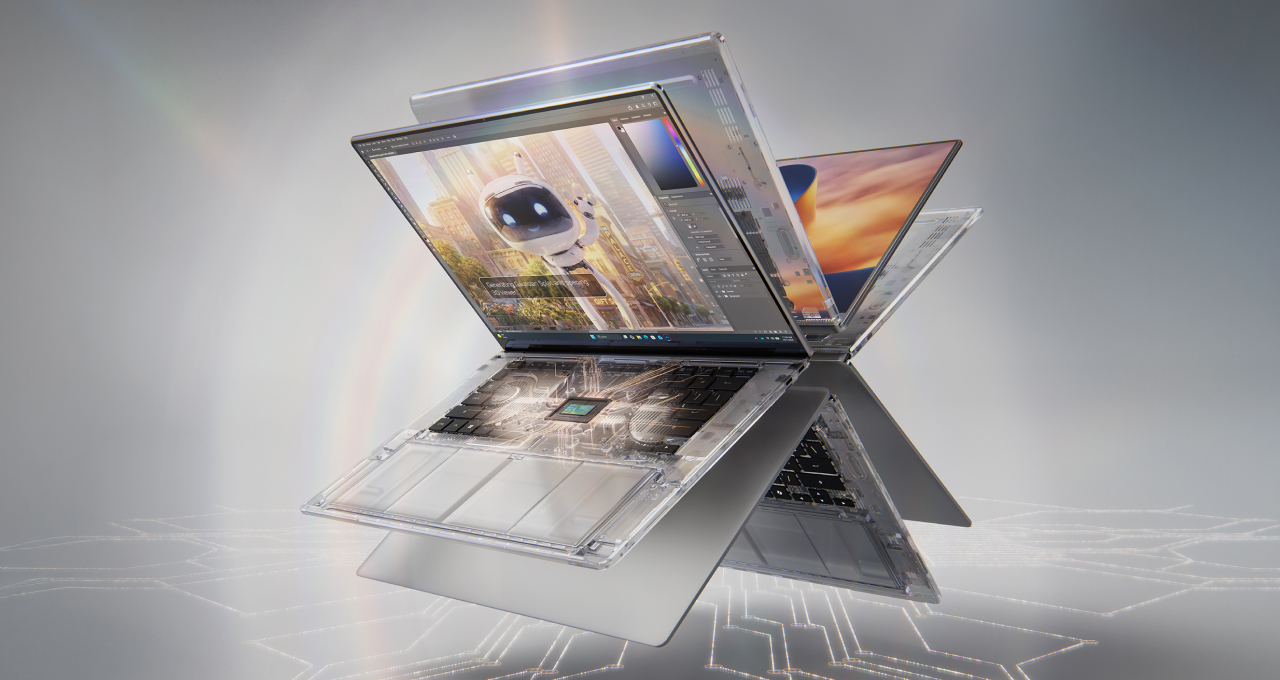
On Wednesday, at a Microsoft event in San Francisco, NVIDIA CEO Jensen Huang and Microsoft CEO Satya Nadella took the stage together to explain how the two companies are co-engineering hardware and software so that AI agents can run on Windows PCs. Huang said NVIDIA was founded because of Windows, and now AI agents are coming to Windows.
According to NVIDIA's blog, the centerpiece is RTX Spark, paired with a full stack meant to let agents run locally on Windows machines. The message is not a single chip specification but the idea of tying silicon and software together so that AI agents become part of the Windows experience.
That work is matched by an expansion of local inference on the Windows side. Reports say Windows announced that DeepSeek V4 Flash and NVIDIA's Nemotron can run locally, and that the popular open-source inference engine llama.cpp is coming to Windows ML. Together these move stronger models onto the device instead of the cloud.
Running models locally matters for privacy, latency and cost. Cloud calls require uploading data, waiting on a network round trip and paying by usage, while on-device inference keeps sensitive data on the machine, responds faster and suits always-on agent workflows.
For Microsoft, this is another step in pushing Windows from an application platform toward an AI platform. The company has spent the past year filling in the fundamentals of on-device AI, and this announcement binds local model support and inference tooling to NVIDIA's hardware story, pointing at one goal: making the PC the home turf for agents.
For NVIDIA, it is a chance to stretch the value of its GPUs from the data center to personal devices. Data-center demand is strong, but the PC is a vast installed base of its own, and if local AI becomes a reason to upgrade, the hardware refresh cycle could restart.
What to watch next is the pace of rollout: which Windows devices and price tiers can actually run these local models, how the developer experience changes once llama.cpp joins Windows ML, and how permissions and safety boundaries for agents on Windows will be defined.
Why it matters
If local AI becomes a reason to buy a new PC, both Windows and NVIDIA stand to gain while cloud inference share could be diluted.
Nearby Updates
All10/08, 02:51
Salesforce Outlines AI-Agent Controls; Shares Edge Up After Hours
Salesforce has outlined controls for AI agents, according to AD HOC NEWS, with the stock quoted after hours at EUR 202.08, up 1.25 percent. The move puts the governance of enterprise agents front and center.
10/08, 02:30
Meta's AI Agent Muse Lands on iPad a Month After Its Mobile Debut
Meta's AI agent Muse is now available on iPad, arriving just a month after its mobile debut. The company is rapidly widening the assistant's reach and integrations.
10/08, 02:15
Testing Finds ChatGPT's Teen Safeguards Keep Teens Talking During Crises
ChatGPT's teen safeguards are meant to protect vulnerable users, but new testing found the chatbot continues encouraging engagement during mental-health crises. The findings suggest it may also steer teens toward unhealthy relationships with the AI itself.
10/08, 02:00
ChatGPT gets a much more visual new interface
OpenAI is launching a new user interface that brings interactive visuals into ChatGPT. According to TechCrunch, the update is aimed at making the assistant a lot more visual rather than keeping users in a purely text-based exchange.