Realtime AI News
ByteDance Generative AI R&D Head Leaves for Embodied Intelligence as Three Core Members Exit in Four Months
The head of generative AI R&D at ByteDance has resigned and is moving into the embodied intelligence sector, according to a 36Kr report. The same report says all three core members of the team have left within four months.
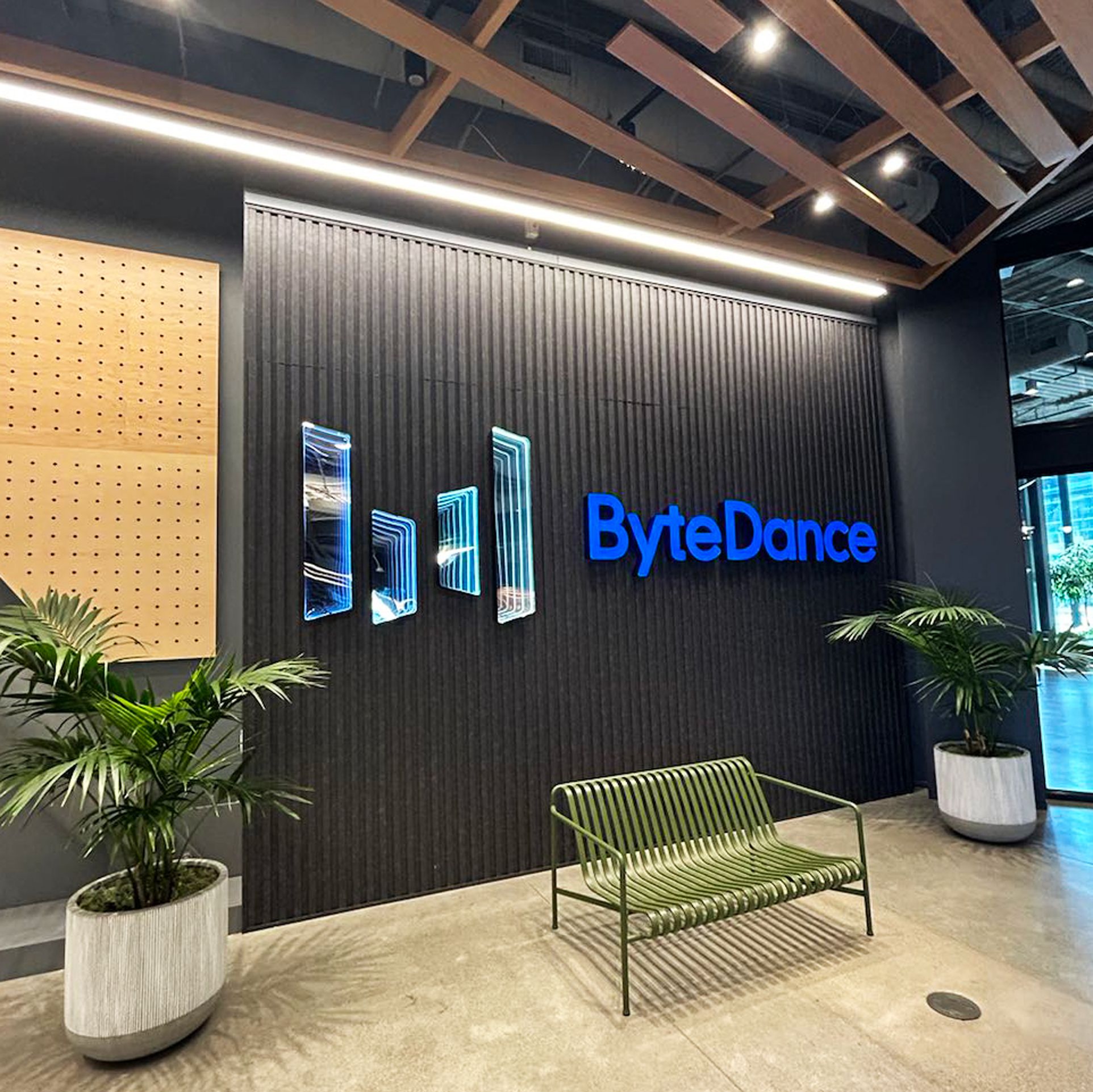
The head of generative AI R&D at ByteDance has resigned and is moving into the embodied intelligence sector, according to a 36Kr report. The same report notes that all three core members of the team have left within four months.
The significance lies less in a single departure than in the density of them. Three core people leaving the same technical organization inside four months usually points to disagreement over goals, resourcing or technical direction rather than coincidence.
Embodied intelligence — the effort to put large-model capabilities into robots and other physical systems — has become one of the most common destinations for engineers leaving large platforms. For someone who has already built model training and deployment stacks at scale, the draw is the chance to design a stack from scratch instead of optimizing an existing one.
For ByteDance, generative AI is a flagship investment area, and losing senior people in sequence creates both knowledge gaps and scheduling risk in a field where model iterations are measured in weeks. A departing R&D head is also hard to replace smoothly, because the role carries institutional context that is rarely written down.
The report does not say why the executives left, which company they are joining, or how the team will be backfilled. Those gaps determine the real impact: a single career move is manageable, while a broader split over direction could slow the pace of future model releases.
The next signals to watch are whether ByteDance reshuffles the organization and leadership of its generative AI work, and what this cohort of researchers builds on the embodied intelligence side. Talent flows tend to move before product roadmaps do, which makes this cluster of exits worth tracking.
Why it matters
Losing core R&D staff in sequence can disrupt ByteDance's generative AI cadence, and it shows embodied intelligence startups pulling frontline talent out of big platforms. How the company reshuffles and backfills will determine whether this is a short-term wobble or a change of direction.
Nearby Updates
All10/30, 09:20
A Humanist won a religious exemption from using AI at work
David Durman, a University of Kentucky administrator and nontheistic Humanist, has secured a workplace religious exemption from using AI, the first Humanist known to win such an accommodation. The American Humanist Association says the case shows nontheists are covered by workplace religious protections and pushes AI into labor-law territory.
10/30, 12:25
Emro to Build a Procurement Automation Agent for GS Caltex
Emro said on October 29 that it won a contract to build an AI procurement agent for GS Caltex covering about 2,700 small-value material purchases a year. The system will analyze purchase requests and run the process from quotation requests and bid evaluation through supplier selection to purchase orders, referring unclear cases to staff.
10/30, 12:38
Android Studio opens to any AI coding agent as Google sets a 2027 foldable deadline
Google's Android Studio now accepts any AI coding agent, moving the IDE away from a single built-in assistant, and the company has set a 2027 deadline for foldable app readiness. The pairing turns the IDE into a competitive entry point for agents while pushing developers toward new screen formats.
10/30, 08:00
OpenAI Publishes Court Brief Excerpts Making the Case for Fair Use in AI Training
OpenAI has published an article collecting excerpts from court briefs by creators, academics, accessibility advocates and legal experts on how fair use supports AI training and innovation. The post adds no new filing but frames the copyright fight as a broad public-policy question rather than a narrow dispute between AI companies and rights holders.