Realtime AI News
Alibaba's Qoder opens up a mystery coding model called Qoduck for free
Alibaba's coding tool Qoder has made a model called Qoduck free to use, according to Startup Fortune. The report describes Qoduck as a mystery coding model, suggesting that details about its origins and specifications remain limited even as access opens up.
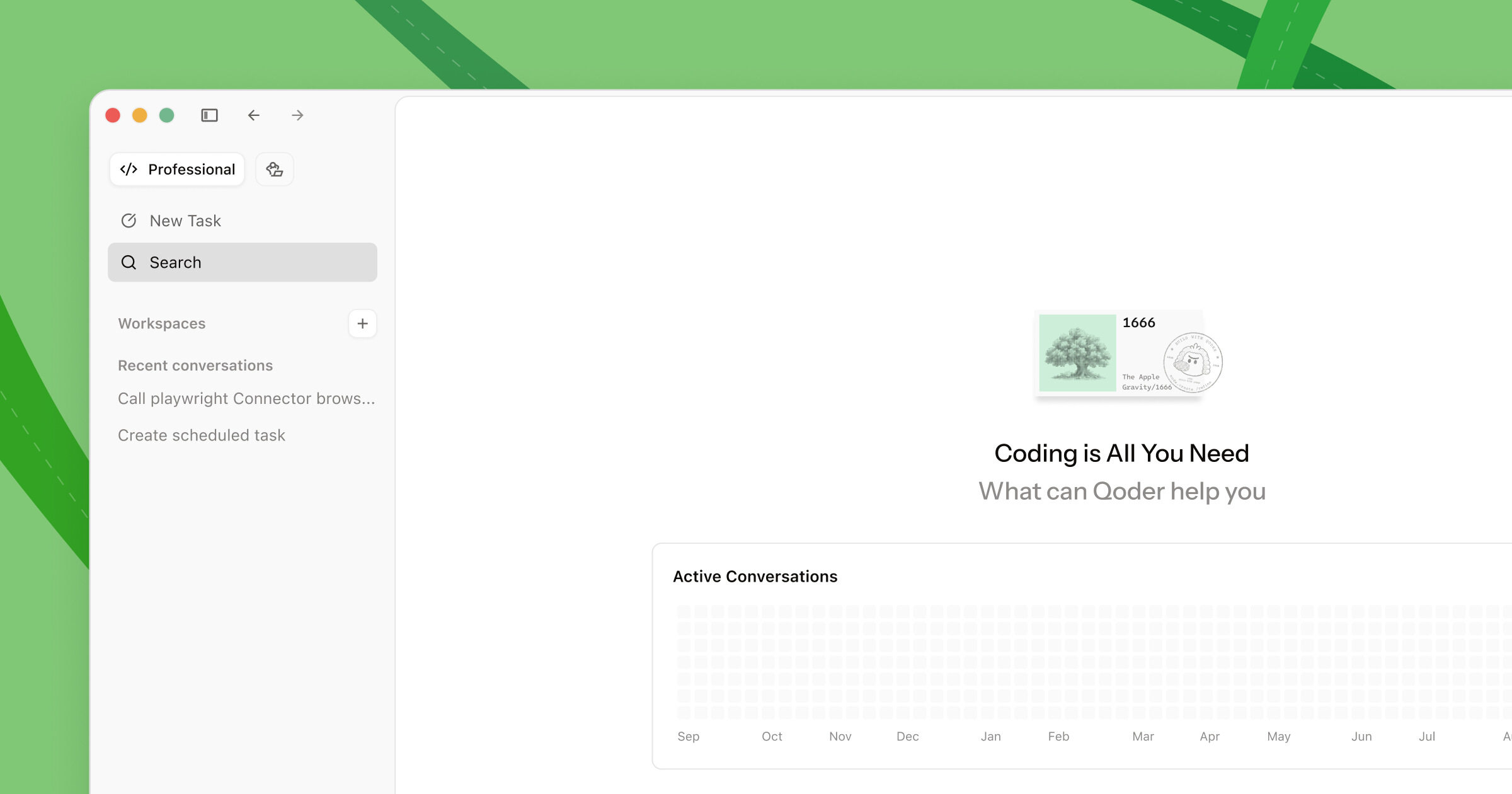
Alibaba's coding tool Qoder has made a model called Qoduck free to use, according to a report from Startup Fortune. The same headline describes Qoduck as a mystery coding model, which tells you how much is still unknown about it.
The action at the centre of the story is simple and concrete: access to the model is now free. For developers working inside Qoder, that means the coding model can be used without an additional charge, at least on the terms the report describes.
Qoder is Alibaba's entry in the coding-tool category, and putting a dedicated coding model inside a coding product is the standard productisation path in this market. The model stops being a separate API endpoint and becomes part of the loop where code is written, edited and reviewed.
The word mystery is doing real work here. A model launch usually comes with parameter counts, context length, training-data provenance and a licence, and none of that appears in what the report gives us. What can be confirmed is the name, the product it belongs to, and the fact that it is free.
Free access matters because coding is the most contested application layer in AI right now. Vendors use free tiers to pull developers in, accumulate usage data and lock in habits before competitors do, and a coding tool is an unusually direct place to do that.
There are limits to what this report supports. It is not possible to tell from the available detail whether Qoduck is a newly trained model or an existing one repackaged for Qoder, and there is no indication of whether the free access is permanent or a limited-time arrangement.
Watch for technical disclosure and for pricing. If Qoder publishes specifications, or clarifies how Qoduck relates to Alibaba's other models and cloud services, the mystery framing will fade quickly, and the story becomes a straightforward competition question about who wins developer defaults in coding.
Why it matters
Opening a coding model at zero price trades revenue for developer habits and usage data, intensifying the fight over the entry point to everyday coding work.
Nearby Updates
All11/08, 07:43
OpenAI's GPT-6 Cyber Finds 81 Firefox Flaws as AI Reshapes Security Work
OpenAI's GPT-6 Cyber, a model built for cybersecurity work, has reportedly identified 81 security flaws in Firefox. The case is being read as a marker of AI moving from code assistance into vulnerability discovery, and it sharpens the debate over how much offensive capability a defensive tool should carry.
11/08, 06:07
Ramp data: AI usage soars while spending stalls as tokens turn into a commodity
Ramp's spending data shows AI token outlays grew just 1.5% across August and September combined, far below July's 42% month-over-month jump, even as token volumes kept rising. The numbers point to commoditization: price competition and customer-side cost control are separating usage growth from revenue growth.
11/08, 10:50
Airbnb to add an AI agent for trip planning
Airbnb plans to add an AI agent that helps users plan and organize their trips, according to a YugaTech report. The move would push the short-term rental platform beyond listing search and booking into the earlier stage of travel decision-making.
11/08, 05:35
Google adds prompt-based revisions to its Gemini Omni video model
Trend Hunter reported on November 7 that Google has added prompt-based revisions to Gemini Omni, letting users adjust generated video through natural-language instructions. The change pushes enterprise video generation from one-shot output toward conversational iteration, bringing editing closer to a text-style workflow.