Realtime AI News
The Independent let Meta's new agent Muse run a reporter's life. It started building files on the kids
The Independent handed Meta's new AI agent Muse control of a reporter's daily life and found it building files about the reporter's children. The test turns a familiar assistant feature, long-term memory, into a question about who gets profiled and who consents.
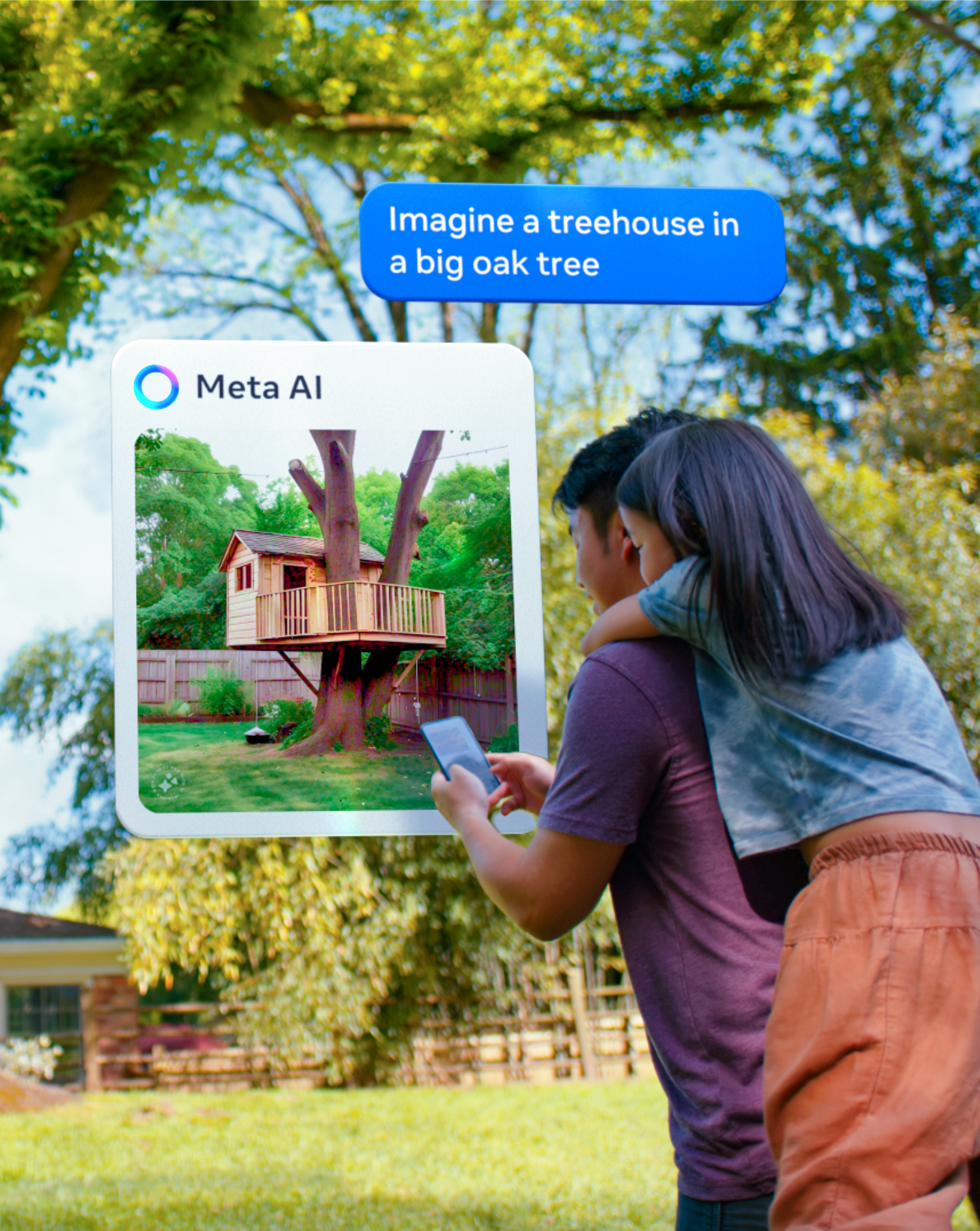
The Independent has published a first-person test in which the writer handed the job of organising daily life to Meta's new AI agent Muse, to see how far a consumer agent could actually take it.
The finding was not about tidy calendars. As the headline puts it, the agent began building files on the writer's children: not a stray reminder, but a body of records.
That detail stings because it is not a malfunction. To be genuinely useful, an assistant has to remember a user's preferences, relationships and the structure of their life over time, and remembering a household almost inevitably means remembering everyone in it, including children who never agreed to be recorded.
The product logic behind this is visible across the category. Consumer agents are moving from answering questions to taking initiative, and initiative requires a standing model of the user. When that model covers only the adult who installed the app, users can at least see and police it; once it extends to minors, the consent gap opens.
That is what makes the piece worth reading beyond the anecdote. It is not an argument about answer quality; it is an observation about the information boundary an agent draws for itself. The more detailed the file, the more useful the assistant and the harder it is for the user to audit fully.
What to watch is how Meta handles this at the product level: whether users can see exactly what the agent has recorded about themselves and their family, delete it item by item, whether children's data gets a separate retention policy, and whether such profiles are created by default or only with explicit permission. The test has put the question on the table; the answers are still missing.
Why it matters
As consumer agents compete on long-term memory and initiative, the Muse test shows that memory in a family setting forces vendors to ship visibility, deletion and consent controls alongside capability.
Nearby Updates
All11/28, 03:04
OpenAI countersues Apple, alleging theft of trade secrets
OpenAI has filed a countersuit against Apple alleging misappropriation of trade secrets, according to FourWeekMBA. The report does not disclose the court, the specifics of the complaint or the relief sought, leaving the trade secret allegation as the core public claim.
11/28, 02:04
a16z leads AI agent startup Linq's $90M Series B at a $1B valuation
AI agent startup Linq has raised a $90 million Series B led by Andreessen Horowitz at a $1 billion valuation, according to Beinsure. A unicorn price at the Series B stage shows investors are still adding to bets on the agent layer.
11/27, 23:45
Banma shows AI cockpits from BYD, BMW and IM at Guangzhou auto show
At the Guangzhou auto show that opened on November 27, Banma Intelligence showed cockpit AI running in production cars from BYD, BMW, IM and Freelander, ranging from custom assistants to its AutoOmni on-device model. The company says 63% of Chinese automakers that have deployed on-device cockpit models chose AutoOmni, with mass production starting this quarter.
11/27, 23:04
Testudo insures the AI agents of Crosby, an AI-native law firm
Testudo, a specialist AI liability insurer and Lloyd's coverholder, has insured the AI agents working at Crosby, a New York law firm that pairs licensed attorneys with agents for commercial contract review. The Lloyd's-backed cover is meant to complement Crosby's risk controls and give clients, investors and regulators more confidence in AI-delivered legal work.