Realtime AI News
ByteDance's Doubao and Alibaba's Tongyi Qianwen to Remove Agent Features
ByteDance's AI assistant Doubao and Alibaba's Tongyi Qianwen are both planning to remove their agent functionality, ending support for third-party agent creation and operation on their platforms. The move signals a significant strategic shift in how China's major AI assistants approach their agent ecosystems.
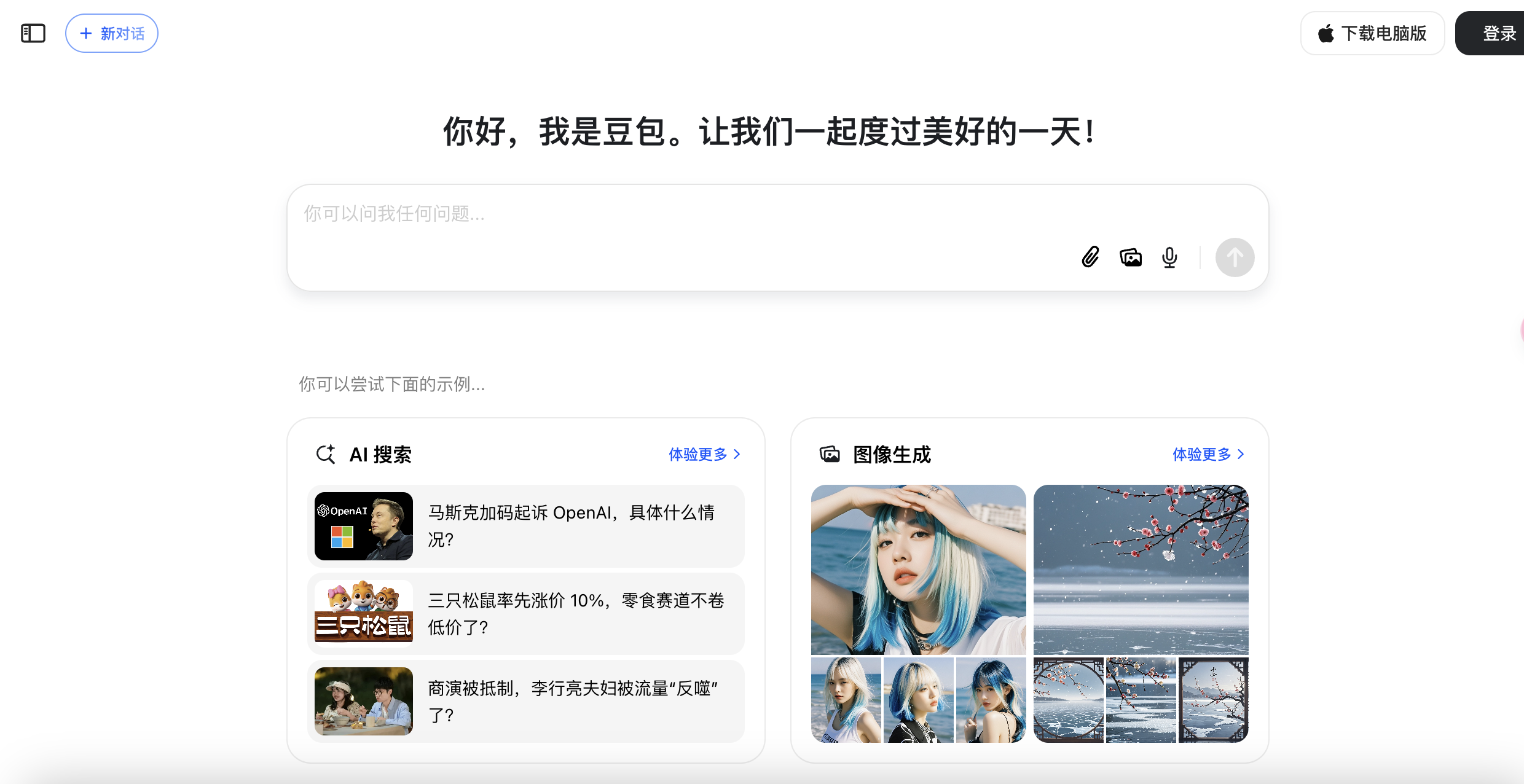
According to a report from Qianzhan.com, ByteDance's AI assistant Doubao and Alibaba's Tongyi Qianwen are both scheduled to remove their agent functionality. Users will no longer be able to create or use third-party agents on these platforms.
Agent features have been a core competitive dimension for AI assistant platforms in recent years. OpenAI's GPT Store, ByteDance's Doubao agent platform, and Alibaba's Tongyi Qianwen agent ecosystem all sought to enrich application scenarios and drive user engagement through open third-party developer ecosystems.
Doubao, as ByteDance's flagship AI product, has heavily promoted its agent capabilities since launch, allowing developers and users to create scenario-specific AI assistants. Alibaba's Tongyi Qianwen similarly built an agent marketplace supporting both enterprise and consumer-grade agent deployments.
The synchronized removal of agent features by both companies likely reflects multiple operational considerations: high content moderation costs for agents, compliance risks from open ecosystems, and immature monetization pathways.
This adjustment comes as China's AI regulatory environment continues to evolve. Agents, as AI application forms with relatively high autonomous decision-making capabilities, face stricter scrutiny on data security and content compliance than traditional conversational AI.
For developers and enterprise users, this means that businesses built on Doubao or Tongyi Qianwen agent ecosystems will need to find alternative solutions or migrate to self-hosted agent infrastructure. Some third-party developers may need to adjust their technical roadmaps and platform choices.
From an industry perspective, this convergence toward contraction in domestic AI agent strategies contrasts with the continued push for open agent ecosystems by OpenAI, Anthropic, and other companies overseas. This divergence will shape the global AI application landscape going forward.
Looking ahead, the key questions are whether these companies will introduce alternative features to fill the gap left by agent removal, and whether other Chinese AI assistant platforms will follow suit.
Why it matters
The simultaneous removal of agent features by China's two leading AI assistants will reshape the country's AI application development ecosystem, directly impacting developers and enterprises that built on these platforms.
Nearby Updates
All07/06, 08:01
Zuckerberg Admits Meta's AI Agent Progress Slower Than Expected
Mark Zuckerberg acknowledged during an internal Meta town hall that the company's AI agent technology is progressing slower than anticipated. The CEO pointed to weaknesses in the restructuring around AI agents, though Meta's AI chief offered a more optimistic counterpoint during the same meeting.
07/06, 09:45
WAIC 2026 Preview: Post-Scaling Paradigm Shift as Chinese AI Agents March Toward Production Deployment
WAIC 2026, scheduled for July 17-20 in Shanghai, will focus on the post-scaling era paradigm restructuring, with AI agents as the core driver of industrial deployment. The conference will showcase China's indigenous tech stack including MemTensor memory architecture and the Harness engineering framework, marking a shift from model competition to agent productivity.
07/06, 10:45
Meituan Releases LongCat-2.0 Trillion-Parameter Model, Joining China's Mega-Model Race
Meituan has officially launched LongCat-2.0, a trillion-parameter large language model, marking the company's entry into the ultra-large-scale AI model competition. The release signals accelerated strategic investment in AI infrastructure and in-house model development by the food delivery and local services giant.
07/06, 10:45
Beijing No. 1 Token Factory Phase 1 Begins Production in Yizhuang, Marking a New Era for AI Infrastructure
Phase 1 of the Beijing No. 1 Token Factory has commenced production in the Yizhuang district, marking a significant milestone in China's AI infrastructure development. The facility is designed to provide efficient, low-cost token processing capabilities for large-scale model training and inference.