Realtime AI News
Emerald AI, Google and NVIDIA Launch Alliance for Flexible AI Data Centers
On September 16, Emerald AI, Google and NVIDIA announced the AI Energy Management Alliance (AEMA), a coalition focused on data centers that dynamically manage electricity use in response to grid conditions. The group will set technology-neutral, performance-based standards for interconnection and grid response, aiming to speed up U.S. AI infrastructure buildout while protecting reliability and affordability.
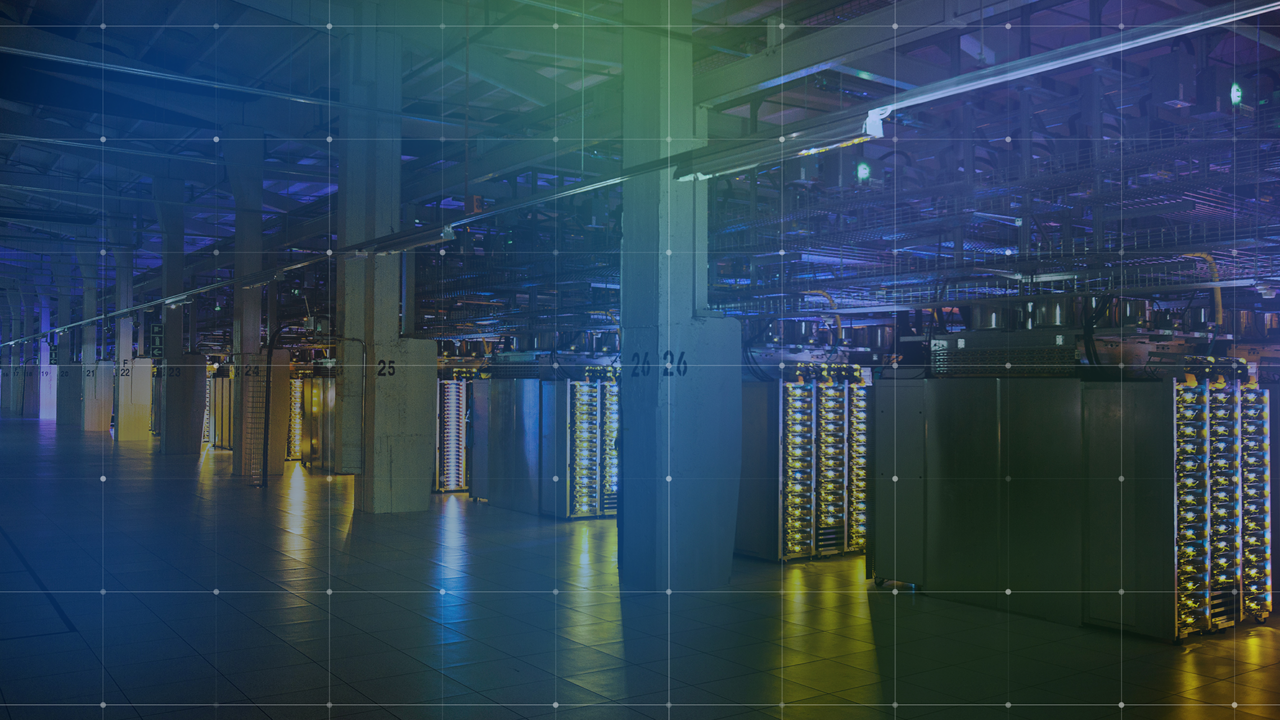
On September 16, Emerald AI, Google and NVIDIA announced the launch of the AI Energy Management Alliance (AEMA), described in NVIDIA's company blog as a first-of-its-kind coalition advancing data centers that can dynamically manage their electricity use in response to grid conditions.
The alliance is built to convene the full AI and power value chain, spanning AI platforms, infrastructure providers, data center operators, technology companies, power producers, utilities and regional grid operators. Founding members will be joined by launch partners from across the ecosystem.
The motivation is concrete: power has become a defining constraint on the expansion of U.S. AI infrastructure. Traditional interconnection processes were designed around facilities with flat, static electricity demand, and were not built for computing infrastructure capable of responding intelligently when the power system is constrained.
A flexible data center can shift computing workloads, discharge storage, use paired generation or respond to system contingencies. In practice that turns a large electricity customer from an inflexible load into a controllable resource rather than a queue position waiting on grid upgrades.
AEMA's principles call for defining ride-through, curtailment and contingency-response obligations before a facility connects; standardizing technical requirements, performance metrics and operational data sharing; creating faster, risk-adjusted pathways for customers that make credible, verifiable flexibility commitments; and allocating interconnection costs to reflect actual system impacts and benefits, such as avoided upgrades and improved ramping capability.
The alliance describes itself as technology-neutral and performance-based, focused on the measurable service a facility can deliver, including response speed, duration, predictability and behavior during an emergency, rather than on specific hardware or software. That framing keeps the debate on verifiable metrics instead of vendor alignment.
The upside is twofold. Flexibility can make more efficient use of existing grid capacity, reduce demand during periods of system stress and avoid or defer costly infrastructure upgrades. For developers, the payoff is that utilities and grid operators may gain the confidence to connect large AI facilities on shorter timelines.
What to watch next is execution. NVIDIA and Emerald AI say they are already working with energy and infrastructure leaders on AI factories that can respond to grid conditions in real time, and AEMA aims to broaden that work by bringing the technology, energy and policy communities together around models that can be deployed across the U.S. As NVIDIA's post puts it, the rules governing power for AI are being written now.
Why it matters
Power availability is now the binding constraint on U.S. AI data center expansion, and AEMA is trying to make flexible demand the common language of interconnection, which could change both the speed and the cost at which AI factories get electricity.
Nearby Updates
All09/16, 21:00
OpenAI Unveils Sponsored Agents and New Ad Tools With HubSpot and Shopify Integrations
OpenAI has laid out a set of AI-powered advertising experiences led by Sponsored Agents, along with new tools for marketers and integrations with HubSpot and Shopify. The direction suggests that ads inside AI assistants will become conversational and actionable rather than simple display placements.
09/16, 21:00
Former Infosys Chief's AI Startup Raises Another $53M Weeks After Seed
A Palo Alto AI startup founded by a former Infosys chief has raised another $53 million, only weeks after its initial seed round. The company says it has already signed multiple seven-figure enterprise contracts within months of launch.
09/16, 21:00
Exabeam Research Flags AI Agent Access as a Top Insider Risk Priority
On September 16, security vendor Exabeam released research findings stating that security leaders identify AI agent access as a top insider risk priority. As agents call software, operate accounts and reach enterprise data, machine identities and permission governance are becoming the new front line for security teams.
09/16, 20:47
Building the materials foundation for AI
Building the materials foundation for AI. The AI boom is becoming a materials challenge. As AI pushes computing into new territory, the materials behind that infrastructure are becoming just as crucial as the algorithms running on it. Semiconductors and data centers are approaching physical limits aro...