Realtime AI News
Arm claims its AGI CPU delivers nearly 2x the per-rack performance of AMD's EPYC 9755 in agentic AI tests
Arm says its AGI CPU reached nearly twice the performance per rack of AMD's EPYC 9755 in new CPU tests aimed at agentic AI workloads, according to Tom's Hardware. The comparison moves the argument from single-chip speed to rack-level throughput, but the figures come from Arm's own testing and still need independent verification.
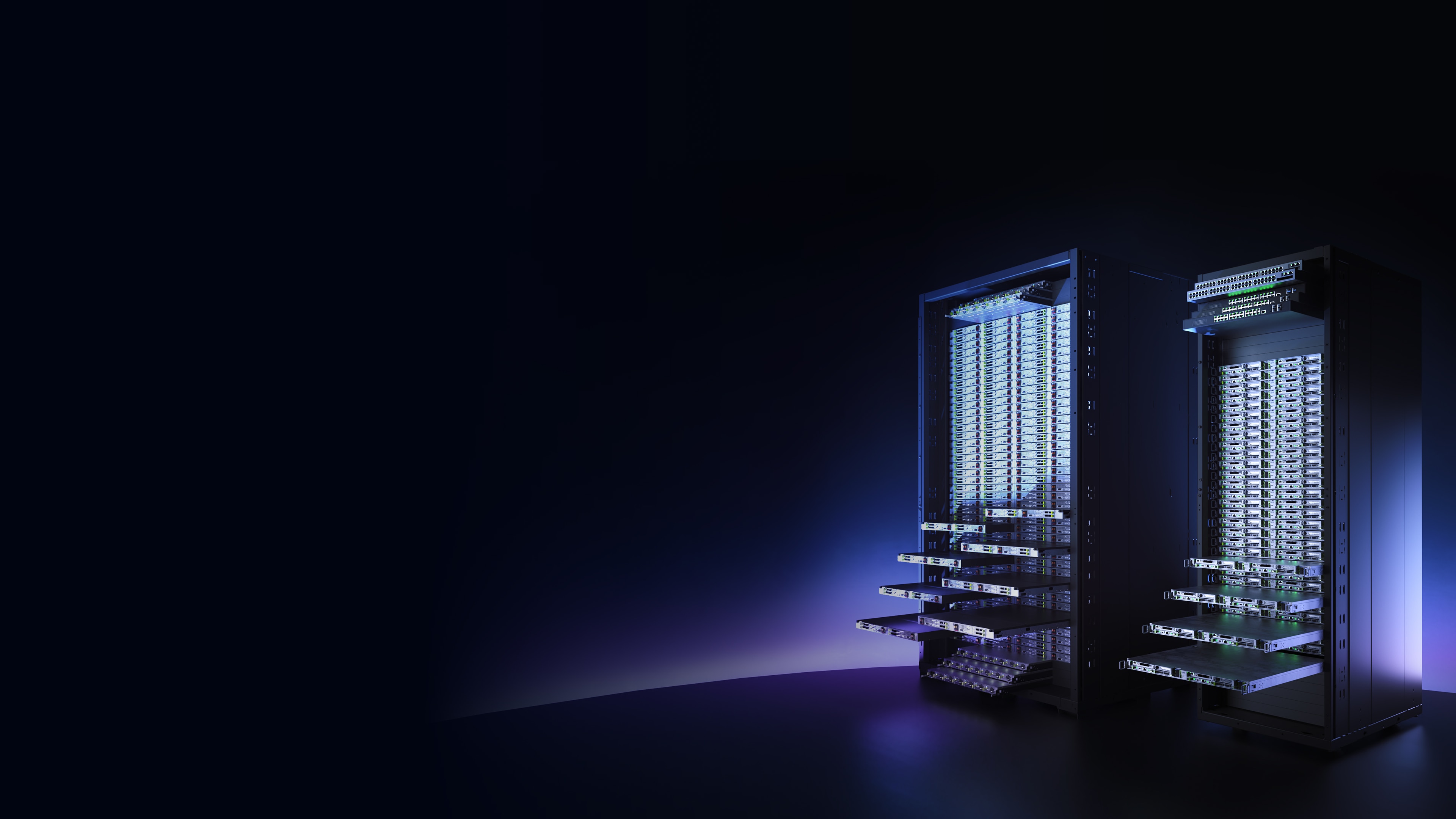
The competition in data center CPUs is shifting from how fast a single chip runs to how much agentic work a rack can deliver. According to Tom's Hardware, Arm says its AGI CPU delivers nearly twice the performance per rack of AMD's EPYC 9755 in new tests built around agentic AI.
The framing matters: these are Arm's numbers. The report attributes the claim to Arm itself, which means the test setup, workload selection and comparison baseline all come from the chip vendor. No independent lab or cloud provider has yet published a reproduction.
The per-rack metric deserves scrutiny. How many servers fit in a rack, how many CPUs each server carries and what power envelope the rack allows all change the result directly. With power and cooling increasingly the binding constraint in data centers, vendors prefer to talk about performance per rack, or even per watt, rather than isolating a single processor's benchmark score.
Agentic AI is a deliberate choice of battleground. Agent workloads involve constant orchestration, tool calls, state maintenance and bursts of short requests, so the CPU is repeatedly moving and scheduling data between model serving, memory and the network. Such workloads tend to depend less on single-core peak throughput than on core count, memory bandwidth and I/O scheduling efficiency, which gives rival architectures room to reposition.
For AMD, being selected as the comparison point shows the fight has moved into the heart of x86 server CPUs. For buyers, peak performance is only one variable among several, alongside system cost, power budget, software ecosystem maturity and supply timelines.
Three things are worth watching: whether independent outlets or cloud providers reproduce the per-rack comparison, whether Arm publishes the full test methodology and workload details, and whether agentic workloads can actually sustain the assumed density in production. Until third-party data arrives, this reads as an architecture argument backed by specific figures rather than a settled performance verdict.
Why it matters
If the per-rack framing takes hold, server CPUs will be judged on density, power and scheduling efficiency rather than single-chip scores, which favors Arm's bid for data center share. Buyers should still treat vendor-run benchmarks as a reference point until independent results appear.
Nearby Updates
All10/19, 19:49
Accenture Federal Services and Google Public Sector launch Gemini launchpads for federal agents
Accenture Federal Services and Google Public Sector announced Gemini launchpads, a managed hub that connects Gemini to federal mission data, embeds Forward Deployed Engineers and ships pre-built agents for HR, finance and supply chain. The program is meant to move agencies from agentic pilots to measured, mission-level deployments.
10/19, 18:01
Token Unveils TokenCore Card, a Fingerprint Smart Card for Logins and AI Agent Actions
Token unveiled the TokenCore Card at Authenticate U.S. 2026, packing FIDO2 passwordless login, on-device fingerprint verification, Bluetooth and NFC into a smart card employees already carry. The card also gates high-stakes AI agent actions, requiring the enrolled user's fingerprint before an agent can release a wire transfer or change access rights.
10/19, 17:54
StakerX's AI trading agent StakerGPT passes $40M in staked assets
StakerX Strategies AG says its Solana staking platform has passed $40 million in staked assets less than three months after launch, with its StakerGPT agent trading crypto perpetual futures around the clock. The company also reports more than 8,200 registered users and publishes the agent's full trade log daily.
10/19, 17:53
Ping An Health Insurance launches AI claims and cancer-care agents
Ping An Health Insurance has launched two AI agents, one for end-to-end claims processing and one for managing cancer patients through diagnosis, treatment and rehabilitation. The company says the claims agent cut average closure time from days to hours in a pediatric pilot, while its oncology agent reached 91% accuracy on treatment plans.