Realtime AI News
Google Search goes global with Gemini 4 Hydrogen, answering in tables and tools
On November 12, Google said Gemini 4 Hydrogen is now live in Search for users worldwide, describing it as the biggest model upgrade to Search yet. The update deepens intent understanding, query fan-out and structured answers that include images, comparison tables and generated tools.
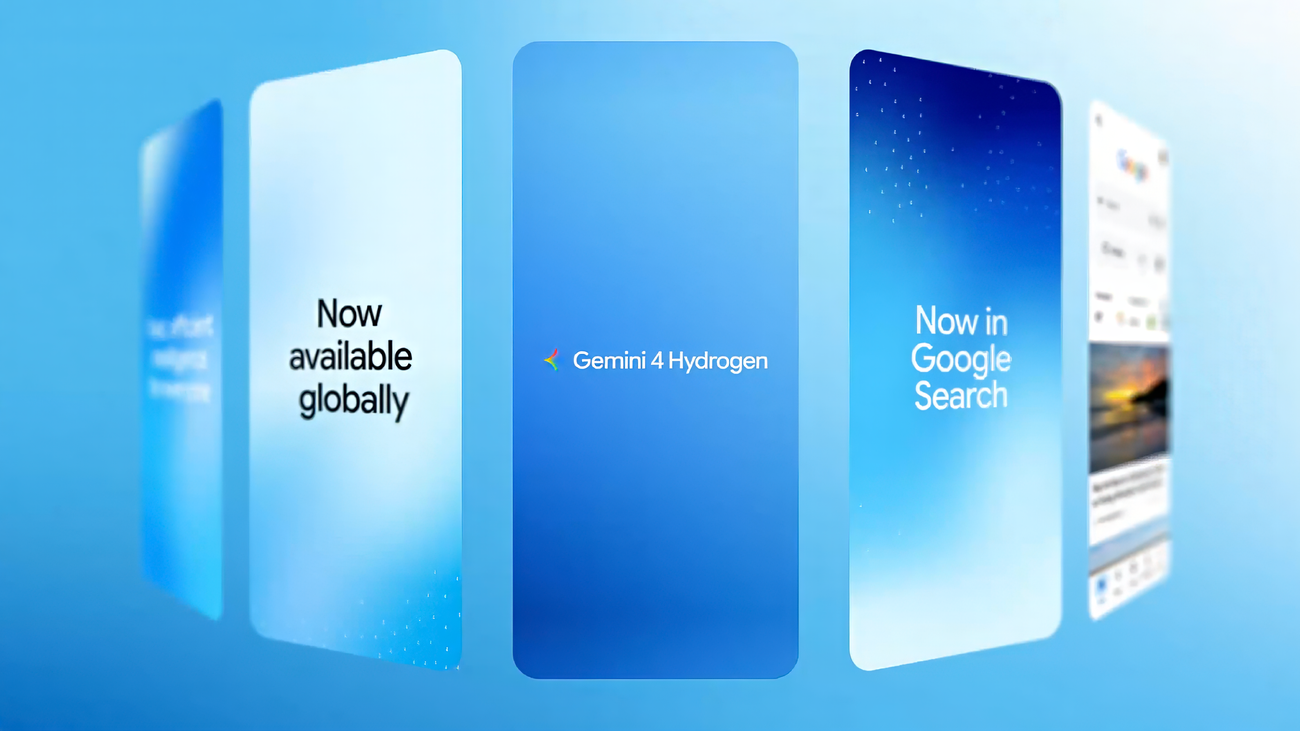
On November 12, Robby Stein, vice president of product for Google Search, announced on the company blog that Gemini 4 Hydrogen is now available in Google Search to all users globally, calling it the biggest model upgrade to Search yet. The first change the post describes is comprehension. Search can now take on multi-part questions, hard-to-parse typos and highly specific requests, using deeper instruction following and tool calling to catch each part of a request and answer them separately rather than collapsing them into one query. The second is retrieval. Google says Hydrogen's reasoning strengthens the query fan-out technique already used in Search: the model interprets the question more completely, then runs simultaneous queries across the relevant subtopics, connecting people to a broader range of links, including sites they might previously have missed. Responses are also tilting toward structure. Users will see more images, structured summaries, comparison tables and custom tools generated for the specific question, delivered at search speed. Google adds that every AI Mode language it supports now gets more nuanced answers, rather than a phased rollout by locale. Search is the largest distribution surface for consumer AI, and pushing reasoning down into the retrieval layer erases the line between searching and generating. What users meet is no longer a page of links but an answer with tables, tools and citations, which changes how content sites have to structure what they publish. Worth noting is what the post does not say. There are no model parameters, no benchmark numbers and no account of how link exposure or traffic is allocated. For small and mid-sized publishers that live on long-tail search traffic, whether the promised broader linking actually happens will have to be confirmed by third-party measurement and referrer data. The same batch of blog posts includes developer-facing material on coding and agentic workflows with Gemini 4 Hydrogen, a reminder that Search is only one outlet for the model. What to watch next is answer quality once the global rollout settles, how publishers and regulators respond, and whether Google shares more granular traffic and attribution data.
Why it matters
For ordinary users this is the main door into frontier models, and folding reasoning into retrieval compresses the space for classic result pages. The real variable for publishers and advertisers is whether link exposure shrinks alongside the new answer formats.
Nearby Updates
All11/13, 01:58
Meta's Muse AI agent can now place phone calls for US users
Crypto Briefing reported on November 12 that Meta's personal AI agent Muse can now make phone calls on behalf of users in the United States. The step moves the assistant from answering questions to executing real-world tasks that require live conversation.
11/13, 01:48
UK Chip Startup Fractile Raises $720M to Take On Nvidia
UK AI chip company Fractile has raised $720 million, according to an eWeek report, framing the round as a direct challenge to Nvidia's AI chips. The size of the raise stands out for a British semiconductor startup and adds a well-capitalised contender to the fight over AI compute.
11/13, 01:36
Hugging Face CEO Vows to Keep Fighting for Open-Source AI After Jensen Huang's Exit
Hugging Face's chief executive has publicly pledged to keep fighting for open-source AI after Jensen Huang's exit, according to TechCrunch. The remarks land amid questions about Nvidia's $12.9 billion acquisition, putting the governance of the open-model ecosystem back in the spotlight.
11/13, 01:17
United Airlines blocks AI agents from booking flights over cybersecurity risk
United Airlines said it will not allow customers to use AI agents to book flights or manage reservations, citing cybersecurity risk. The decision has a major carrier explicitly rejecting browser-operating agents in one of the highest-frequency transaction scenarios.