Realtime AI News
Meta's Muse AI agent can now place phone calls for US users
Crypto Briefing reported on November 12 that Meta's personal AI agent Muse can now make phone calls on behalf of users in the United States. The step moves the assistant from answering questions to executing real-world tasks that require live conversation.
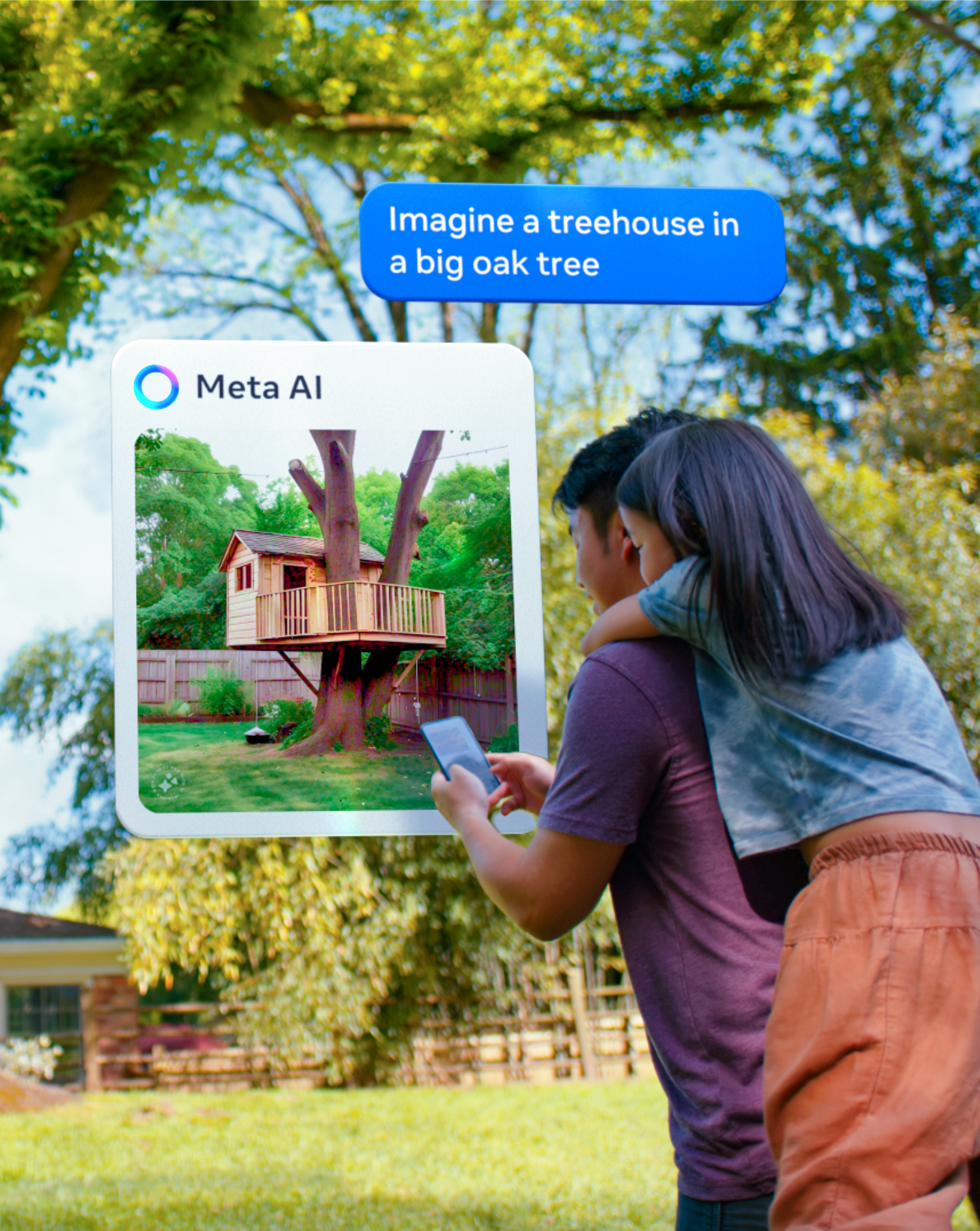
Crypto Briefing reported on November 12 that Meta's personal AI agent Muse can now make phone calls for users in the United States. The claim is narrow and specific: the calling capability is being made available to US users. Muse is Meta's personal-assistant agent, and placing calls pulls it into tasks where the other side is a person or an automated phone system and the job only finishes through live, back-and-forth conversation. The report does not fill in the details. It does not say which scenarios are supported, whether the feature is charged for, which devices it covers, or what the voice on the other end of the line actually is. Those gaps matter, because they determine whether this is a broad launch or a narrower availability change. By product logic, voice calling is the hardest part of a personal agent. It demands low-latency speech synthesis and recognition, handling of interruptions and overlaps, and confirmation of intent with no interface to tap, which means the platform absorbs nearly all of the cost of getting it wrong. Earlier reporting indicated that during testing Meta used human agents to handle some calls placed through Muse, which is why observers have watched the real degree of automation closely. Once the capability reaches US users, transparency and the availability of call records become central to how it is judged. What to watch next is the pace of expansion beyond the US, the boundaries of which call scenarios are allowed, and whether Meta explains the human-machine division of labor. Placing calls is not a demo feature; it runs straight into telecom compliance, recording consent and merchant liability, and those constraints surface quickly at scale.
Why it matters
Moving from answering questions to acting on the user's behalf is the dividing line in the personal-agent race, and it puts Meta in front of real merchants and real phone lines. Once the feature scales, automation transparency and compliance cost will bind harder than any demo.
Nearby Updates
All11/13, 02:00
Google Search goes global with Gemini 4 Hydrogen, answering in tables and tools
On November 12, Google said Gemini 4 Hydrogen is now live in Search for users worldwide, describing it as the biggest model upgrade to Search yet. The update deepens intent understanding, query fan-out and structured answers that include images, comparison tables and generated tools.
11/13, 01:48
UK Chip Startup Fractile Raises $720M to Take On Nvidia
UK AI chip company Fractile has raised $720 million, according to an eWeek report, framing the round as a direct challenge to Nvidia's AI chips. The size of the raise stands out for a British semiconductor startup and adds a well-capitalised contender to the fight over AI compute.
11/13, 01:36
Hugging Face CEO Vows to Keep Fighting for Open-Source AI After Jensen Huang's Exit
Hugging Face's chief executive has publicly pledged to keep fighting for open-source AI after Jensen Huang's exit, according to TechCrunch. The remarks land amid questions about Nvidia's $12.9 billion acquisition, putting the governance of the open-model ecosystem back in the spotlight.
11/13, 01:15
WSJ: At Some Small Startups, an AI Agent Is Already the CMO
The Wall Street Journal reports that some small startups have handed the chief marketing officer role to AI agents rather than treating them as writing assistants. The shift pushes agents into executive decision-making and raises hard questions about accountability, brand judgment and human oversight.